Neuromuscular Interface Development for Enhancing Human-Machine Collaboration
Project Goal
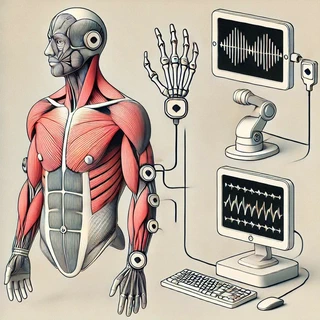
This project develops advanced neuromuscular control frameworks that decode electromyographic (EMG) signals in real time to achieve intuitive, high-precision control of prosthetic limbs and assistive robotic devices.
Key Contributions
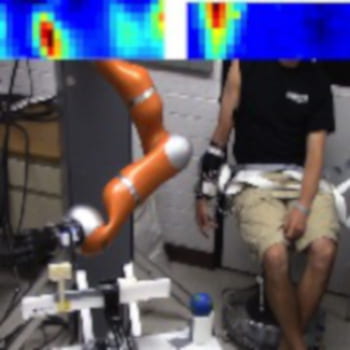
- High-Density EMG Systems for Multi-DoF Control: Developed high-density EMG frameworks that enable robust, long-term control of high-degree-of-freedom platforms (such as a 7-DoF robot arm) while enhancing motor skill learning and retention over extended periods.
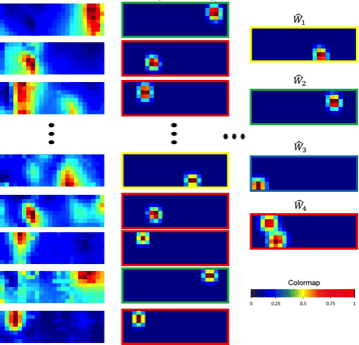
- Muscle Synergy-Based Control Architectures: Leveraged muscle synergy principles to design myoelectric control systems that improve overall performance, skill retainment, and generalization across diverse motor tasks.
- Simultaneous Multifunction Decoding: Advanced simultaneous, multi-axis control algorithms to overcome traditional myoelectric limitations and enable seamless, intuitive human-machine interaction in complex scenarios.
Media & Experimental Demos
Selected Publications
(see Publications for a complete list)
High-Density Electromyography and Motor Skill Learning for Robust Long-Term Control of a 7-DoF Robot Arm
Mark Ison, Ivan Vujaklija, Bryan Whitsell, Dario Farina and Panagiotis Artemiadis
IEEE Transactions on Neural Systems & Rehabilitation Engineering, vol. 24(4), pp. 424-433, 2016. [PDF]Proportional Myoelectric Control of Robots: Muscle Synergy Development drives Performance Enhancement, Retainment, and Generalization
Mark Ison and Panagiotis Artemiadis
IEEE Transactions on Robotics, vol. 31, issue 2, pp. 259-268, 2015. [PDF]The Role of Muscle Synergies in Myoelectric Control: Trends and Challenges for Simultaneous Multifunction Control
Mark Ison and Panagiotis Artemiadis
Journal of Neural Engineering, vol. 11(5), 2014. [PDF]